Eventfotograf in Deutschland: Was kostet das eigentlich?
Eventfotografie in Deutschland kostet je nach Aufwand 300 € – 2.500 €+. Hier erfahren Sie, wie sich die Preise zusammensetzen – und worauf Sie vor der Buchung achten sollten.
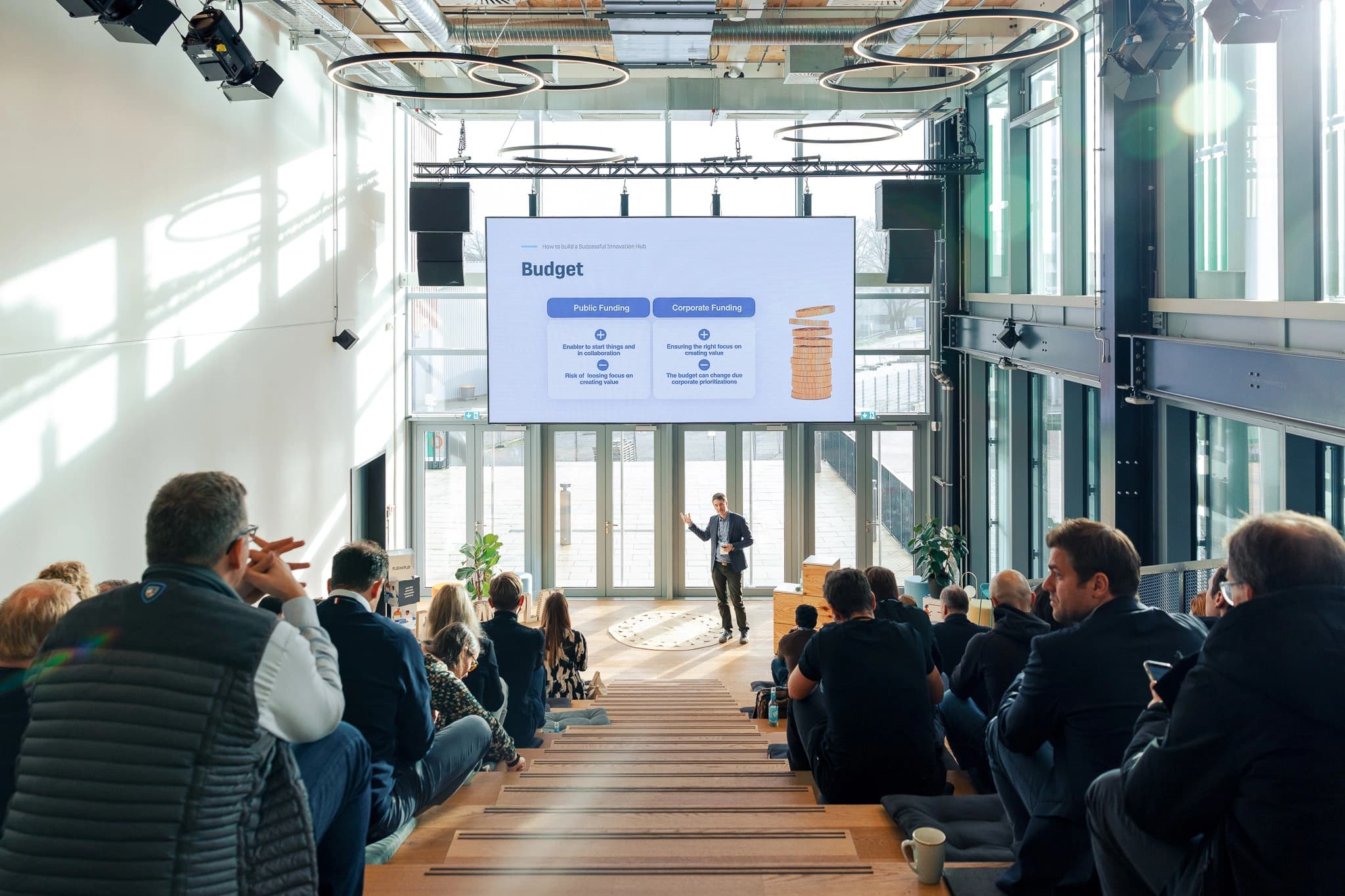
Wenn Sie nach einem Eventfotografen suchen, finden Sie Angebote, die von 50 € bis 500 € pro Stunde reichen. Scheinbar für die gleiche Dienstleistung. Was erklärt diese Differenz? Und was steckt tatsächlich hinter einem Preis, der auf den ersten Blick vielleicht hoch erscheint?
Warum die Preise so stark variieren — und was niemand laut ausspricht
Die einfache Antwort ist, dass der Preis mehr abdeckt als nur die Zeit vor Ort: Vorabkoordination, Postproduktion, Ausrüstung, Versicherung, Software und eine begrenzte Anzahl tatsächlich abrechenbarer Tage pro Jahr. Ein niedrigerer Preis bedeutet oft, dass einer oder mehrere dieser Punkte schlichtweg fehlen.
Aber das ist nur ein Teil der Geschichte.
Ein großer Teil der Preisunterschiede in diesem Markt hat nichts damit zu tun, was inkludiert ist. Es ist eine Frage des Mindsets. Viele Fotografen haben nie wirklich ausgerechnet, was es kostet, diese Arbeit in Vollzeit zu machen. Sie haben aus Leidenschaft angefangen, die Preise aus Gewohnheit oder Unsicherheit niedrig gehalten und nie die wahren Zahlen durchkalkuliert. Wenn man das tut — Wertminderung der Ausrüstung, unbezahlte Verwaltungsstunden, Steuern, kein Krankengeld, kein bezahlter Urlaub — dann landen 50 € pro Stunde unter dem Mindestlohn für eine selbstständige Person ohne Sozialleistungen. Kein Schnäppchen. Ein Signal, dass jemand die Mathematik dahinter nicht gemacht hat.
Würde sich jeder Fotograf, der in diesem Bereich arbeitet, hinsetzen und seine wahren Kosten ehrlich berechnen, würde dieser Preis vom professionellen Markt verschwinden. Er bleibt bestehen, weil manche Leute die Fotografie als Zusatzeinkommen und nicht als Unternehmen betrachten. Das ist eine valide persönliche Entscheidung. Aber sie verzerrt die Preiserwartungen für Kunden und macht es für Vollzeit-Profis schwieriger, das zu berechnen, was die Arbeit tatsächlich kostet.
Das Ergebnis ist ein Markt, in dem ein 50-€-Angebot und ein 200-€-Angebot wie ein Qualitätsspektrum aussehen — während sie eigentlich völlig unterschiedliche geschäftliche Realitäten darstellen.
Was der Stundensatz Ihnen nicht verrät
Wenn ein Fotograf 1.000 € für ein 4-stündiges Event berechnet, zahlen Sie nicht für 4 Stunden Arbeit. Sie zahlen für etwa das Doppelte — und das ist nur der sichtbare Teil.
Vor dem Event gibt es Koordination, Briefing, Location-Recherche, das Überprüfen und Laden der Ausrüstung, das Packen des gesamten Equipments. Ein professioneller Fotograf taucht nicht einfach auf und fängt an zu fotografieren.
Das Event selbst dauert 4 Stunden. Der kleinste Teil der Gesamtarbeit.
Nach dem Event unterschätzen die meisten Kunden, was alles ansteht — und hier zeigt es sich, wenn an den falschen Enden gespart wurde. Mein Bearbeitungsprozess läuft bewusst in zwei Phasen ab. Am Tag des Events mache ich einen ersten Durchgang: Bilder mit Potenzial auswählen, markieren, was mir ins Auge gefallen ist. Die eigentliche Bearbeitung findet am nächsten Tag statt. Nicht weil ich langsam bin, sondern weil ein müdes Auge Dinge übersieht. Nach stundenlangem Fotografieren unter Druck verschwimmt die Urteilskraft. Eine frische Perspektive am nächsten Morgen macht den Unterschied zwischen einer Lieferung, auf die man stolz ist, und einer, die nur "ganz okay" ist.
„Wir brauchen nicht viele Bilder. Wir brauchen die besten Highlights.“
Nicht nur über technische Qualität. Über Kuration und Vielfalt. Zehn Bilder, die Sie tatsächlich nutzen, sind mehr wert als hundert, über die Sie hinwegscrollen.
In der Praxis ist ein "4-Stunden-Job" ein voller 8- bis 10-Stunden-Arbeitstag. Der Stundensatz, auf die Gesamtzeit verteilt, halbiert sich sofort.
Die Kosten, die Kunden nicht sehen
Denken Sie an einen professionellen Fotografen als ein kleines Unternehmen, nicht als eine Person mit einer Kamera. Die Ausrüstung allein erzählt die Geschichte. Ein Kameragehäuse wie die Canon EOS R5 kostet über 3.500 €. Ein einzelnes professionelles Objektiv — die Art, die im schwachen Licht eines Konferenzraums oder bei der gemischten Beleuchtung einer Messehalle zuverlässig funktioniert — liegt bei 1.500 € bis 2.500 €. Fügen Sie ein Backup-Gehäuse, Beleuchtungsausrüstung, Blitze, Stative und Koffer hinzu, und ein komplettes Arbeitsset erreicht 10.000 € bis 15.000 €, ohne das Budget zu sprengen. Nichts davon ist optional. Kameras fallen aus. Speicherkarten gehen kaputt. Ein Fotograf ohne Backup-Ausrüstung bei einem Corporate Event ist ein Risiko.
Dann ist da noch die Software. Adobe Creative Cloud — der Branchenstandard für die Bearbeitung — kostet für Fotografen etwa 60 € im Monat. Mit Plattformen für die Galeriebereitstellung, Buchhaltungstools und einem CRM erreicht die Gesamtsumme leicht 150 € bis 200 € pro Monat: rund 2.000 € pro Jahr an Fixkosten, bevor einem einzigen Kunden eine Rechnung gestellt wird. Berufshaftpflicht- und Ausrüstungsversicherungen fügen jährlich weitere 500 € bis 1.200 € hinzu, was bei Firmenveranstaltungen mit teuren Setups und Fragen der öffentlichen Haftung eher eine Voraussetzung als ein Luxus ist.
Die Zahl, die die meisten Menschen überrascht: Ein freiberuflicher Fotograf hat keine 220 voll abrechenbaren Tage im Jahr. Nach Kundenakquise, Postproduktion, Verwaltung und beruflicher Weiterbildung liegt die realistische Schätzung bei 60 bis 100 tatsächlichen Einsatztagen. Jeder Tagessatz muss ein ganzes Jahr an Fixkosten, Steuern und Zeit tragen, die auf keiner Rechnung auftaucht.

Wenn günstig teuer wird
Ich habe mit Marketingmanagern gesprochen, die einen Fotografen zu einem niedrigen Preis für eine Unternehmenskonferenz gebucht haben und eine Galerie erhielten, die sie nicht öffentlich nutzen konnten — Bewegungsunschärfe beim Hauptredner, flaches Licht bei den Networking-Momenten, kein brauchbares Porträt des CEOs. Das Event war vorbei. Es gab keine zweite Chance. Was sie bei der Fotografie gespart haben, haben sie dafür ausgegeben, die Situation zu retten: Stockbilder für die Pressemitteilung, keine Inhalte für LinkedIn und eine Jahresberichtseite, die ohne die Fotos herausgegeben wurde, um die herum sie eigentlich entworfen worden war.
Dieses Muster ist in der Branche so spezifisch und häufig, dass es einen Namen hat: Die unsichtbaren Kosten einer falschen Einstellung.
Niedrige Raten in der Eventfotografie bedeuten typischerweise eine Kombination aus Folgendem — keine professionelle Backup-Ausrüstung, begrenzte Erfahrung mit den Licht- und Tempobedingungen echter Corporate Events, keine nennenswerte Postproduktion und keine vertragliche Klarheit, falls etwas schiefgeht. Jedes davon ist isoliert betrachtet handhabbar. Zusammen ergeben sie eine Galerie, die so aussieht, als wäre das Event von einem Kollegen mit einer neuen Kamera dokumentiert worden. Was oft genug genau das ist, was passiert ist.
Was ein solides Angebot wirklich enthält
Diese Punkte decke ich in jedem Angebot ab, das ich verschicke — weil sie es sind, woran Kunden im Voraus am häufigsten nicht denken, und woher abweichende Erwartungen kommen.
Was inkludiert ist und was nicht
Postproduktion, Anzahl der finalen Bilder, Lieferformat, Galerie-Hosting — stellen Sie sicher, dass diese explizit genannt werden. Ein Angebot, das nur Stunden und einen Preis auflistet, ist unvollständig.
Nutzungsrechte
In Deutschland bleibt das Urheberrecht gesetzlich beim Fotografen. Was Sie erhalten, sind Nutzungsrechte. Ein gut strukturiertes Angebot definiert diese klar: interne Kommunikation, Presse, Social Media, Website.
Lieferzeitraum
Eine vollständig bearbeitete Galerie innerhalb von 24 Stunden ist der Standard für professionelle Event-Arbeit. Highlights am selben Tag — 5 bis 10 Bilder für Live-Social-Media oder Presse — sind eine separate Dienstleistung, die im Voraus geplant wird.
Backup-Systeme
Fragen Sie direkt nach. Professionelle Fotografen schreiben während eines gesamten Shootings auf mehrere Speicherkarten gleichzeitig. Ein Ausfall einer Karte — was vorkommen kann — bedeutet keinen Verlust. Standardpraxis, kein Premium-Feature.
Zahlungs- und Stornierungsbedingungen
Als ich nach Deutschland zog und in einem neuen Markt anfing, verlangte ich keine Anzahlung. Ich reiste in eine andere Stadt, um ein Firmenevent zu fotografieren, lieferte die Arbeit ab, erhielt ein Dankeschön — und wurde nie bezahlt. Kein Vertrag, keine Anzahlung, keine rechtliche Handhabe. Das passierte einmal. Es wird nicht wieder passieren, und deshalb betrachte ich Zahlungsbedingungen nun als nicht verhandelbar, egal wie unkompliziert ein Kunde erscheinen mag. Ein professioneller Fotograf hält Ihr Datum exklusiv und lehnt andere Aufträge ab, um bei Ihrem zu sein. Seriöse Angebote enthalten eine Anzahlungsstruktur, klare Zahlungsbedingungen und Stornierungsbedingungen für beide Seiten. Wenn ein Angebot nichts davon erwähnt, fragen Sie nach dem Grund.
Der BFF (Bundesverband Freie Fotografen und Filmgestalter), Deutschlands Berufsverband für Fotografen, veröffentlicht Standard-Nutzungsrecht-Rahmenwerke, an denen sich die meisten professionellen Fotografen orientieren.
Realistische Preisrahmen
Nettopreise, exklusive MwSt. · Professionelle Fotografen in Deutschland stellen in der Regel nicht einfach die Zeit in Rechnung, die für das Fotografieren aufgewendet wird; ihre Preise berücksichtigen Vorbereitung, Postproduktion, professionelle Ausrüstung, Versicherung und Geschäftskosten. Die meisten Profis akzeptieren keine 1-Stunden-Buchungen und haben eine Mindestanforderung von 2 bis 3 Stunden.
Stundensatz
200 € – 300 €+ / Std.
Hinweis: Die erste Stunde wird manchmal höher berechnet, um grundlegenden Aufbau und Anfahrt abzudecken, wobei die folgenden Stunden leicht sinken. Stundensätze werden oft eher zur Berechnung von Überstunden herangezogen als für anfängliche Buchungen.
Halbtagessatz (ca. 4 Stunden)
900 € – 1.400 €
Dies ist das gängigste Paket für abendliche Firmenempfänge, mittelgroße PR-Events oder Halbtageskonferenzen.
In einem großen Wirtschaftszentrum wie Hamburg können Sie davon ausgehen, dass die meisten zuverlässigen Profis zwischen 1.000 € und 1.500 € für einen halben Tag veranschlagen.
Ganztagessatz (ca. 8 Stunden)
1.400 € – 2.500 €+
In Hamburg wird ein standardmäßiges ganztägiges Corporate-Shooting in der Regel bei rund 1.600 € bis 2.500 €+ landen, je nach spezifischen Nutzungsrechten, Komplexität der Postproduktion und Optionen für eine Lieferung am selben Tag.
Hinweis: Studenten oder Semi-Profis verlangen möglicherweise 60 €–100 € pro Stunde, aber ihnen fehlt im Allgemeinen die gewerbliche Haftpflichtversicherung, die Backup-Ausrüstung und die Expertise bei schwachem Licht, die für geschäftskritische Firmenevents erwartet wird.
Benötigen Sie ein konkretes Angebot für Ihr Event?
Erzählen Sie mir von Ihrem Event — Datum, Ort und gewünschte Ergebnisse. Ich sende Ihnen ein klares, auf Ihr Projekt zugeschnittenes Angebot.
Kontakt aufnehmen
Die eigentliche Frage, die es sich zu stellen lohnt
Die meisten Kunden legen den Fokus zunächst auf den Preis pro Stunde und die Anzahl der gelieferten Fotos. Beides ist der falsche Ansatzpunkt.
Die Bilder Ihres Events werden genutzt — auf Ihrer Website, in einer Pressemitteilung, auf LinkedIn, in der Einladung für das nächste Jahr — oder sie werden gar nicht genutzt. Dieses Ergebnis wird größtenteils entschieden, bevor der Fotograf überhaupt eintrifft: dadurch, wen Sie buchen, welches Briefing Sie geben und ob er versteht, wofür die Bilder eigentlich gedacht sind.
Ein Fotograf, der nach Ihrem Event-Ablaufplan fragt und vorab Ihre Hauptredner recherchiert, ist nicht anstrengend. Er stellt sicher, dass die richtigen Momente in einem Raum ohne zweite Chance nicht verpasst werden. Ein Fotograf, der 40 kuratierte, brauchbare Bilder liefert anstelle von 300 mittelmäßigen, gibt Ihnen nicht weniger. Er gibt Ihnen mehr von dem, was Sie tatsächlich veröffentlichen werden.
Der Preis ist eine Variable. Er ist wichtig. Aber die Frage, die zu besseren Ergebnissen führt, ist einfacher: Sehen die Bilder dieses Fotografen nach etwas aus, neben dem mein Unternehmen stolz seinen Namen platzieren würde?
Häufig gestellte Fragen (FAQ)
Für Corporate Events in Deutschland liegen die realistischen Marktpreise bei: 2 Stunden ab 450 €, 4 Stunden 900 € – 1.400 € und ein ganzer Tag (8 Stunden) 1.400 € – 2.500 €, jeweils netto. Preise im oberen Segment spiegeln professionelle Ausrüstung, Postproduktion, Nutzungsrechte und Optionen für eine Lieferung am selben Tag wider.
Ein Teil davon ist betriebsbedingt: Der Preis deckt Vorbesprechung, Postproduktion, Ausrüstung, Versicherung, Software und eine begrenzte Anzahl abrechenbarer Tage pro Jahr ab. Aber ein großer Teil hängt auch vom Mindset ab. Viele Fotografen haben nie berechnet, was es kostet, diesen Beruf in Vollzeit auszuüben. Wenn man die tatsächlichen Zahlen betrachtet – Wertminderung der Ausrüstung, unbezahlte Verwaltungsarbeit, Steuern, kein Krankengeld – liegen 50 € pro Stunde unter dem Mindestlohn für einen Selbständigen. Dieser Preis existiert, weil manche Fotografen die Fotografie als Zusatzeinkommen betrachten, nicht als Unternehmen. Das verzerrt die Kundenerwartungen und macht es für Vollzeit-Profis schwerer, das zu berechnen, was die Arbeit tatsächlich kostet.
Ja – das liegt im normalen professionellen Rahmen für deutsche Großstädte. Wenn man Vorbereitung, Postproduktion, Ausrüstung und Gemeinkosten mit einbezieht, ist eine 4-Stunden-Buchung für den Fotografen faktisch ein ganzer Arbeitstag.
Ja – jeder professionelle Fotograf wird eine verlangen, und Sie sollten dies auch erwarten. Eine Anzahlung sichert Ihnen exklusiv das Datum und schützt beide Seiten. Ein Fotograf, der keine Anzahlung verlangt, hat keine formelle Verpflichtung Ihnen gegenüber, und Sie haben keine formelle Verpflichtung ihm gegenüber. Klare Zahlungsbedingungen, eine Anzahlungsstruktur und Stornierungsbedingungen sollten in jedem professionellen Angebot enthalten sein.
Zwei Dinge: den Ablaufplan des Events und die Namen der wichtigsten Personen – Redner, Führungskräfte, alle, die nicht verpasst werden dürfen. Wenn diese Namen vorab recherchiert werden, wird am Tag selbst keine Zeit verschwendet. Wenn Sie am selben Tag Inhalte für Instagram oder LinkedIn benötigen, erwähnen Sie das im Vorfeld – das ändert die Priorisierung der Momente und wie schnell Highlights geliefert werden.
Menge ist die falsche Kennzahl. Ein Fotograf kann 200 Bilder liefern, die Sie nie nutzen werden, oder 30, die Sie überall verwenden – Website, Presse, LinkedIn, Einladung zum nächsten Event. Was zählt, ist Kuration und Vielfalt, nicht Quantität.
Eine vollständig bearbeitete Galerie innerhalb von 24 Stunden ist der Standard. Highlights am selben Tag – 5 bis 10 Bilder für Live-Social-Media oder die Presse – können vorab vereinbart und während oder unmittelbar nach dem Event geliefert werden.
In Deutschland bleibt das Urheberrecht gesetzlich beim Fotografen. Was Sie erhalten, sind Nutzungsrechte – typischerweise für den internen Gebrauch, Presse, Social Media und die Website. Kommerzielle Nutzung darüber hinaus wird separat angeboten.
Meine Leistungen entdecken
Planen Sie ein Event?
Senden Sie Ihre Anfrage — ich melde mich innerhalb von 24 Stunden.
Kontakt aufnehmen